
Where is Andalusia, and what is it known for?
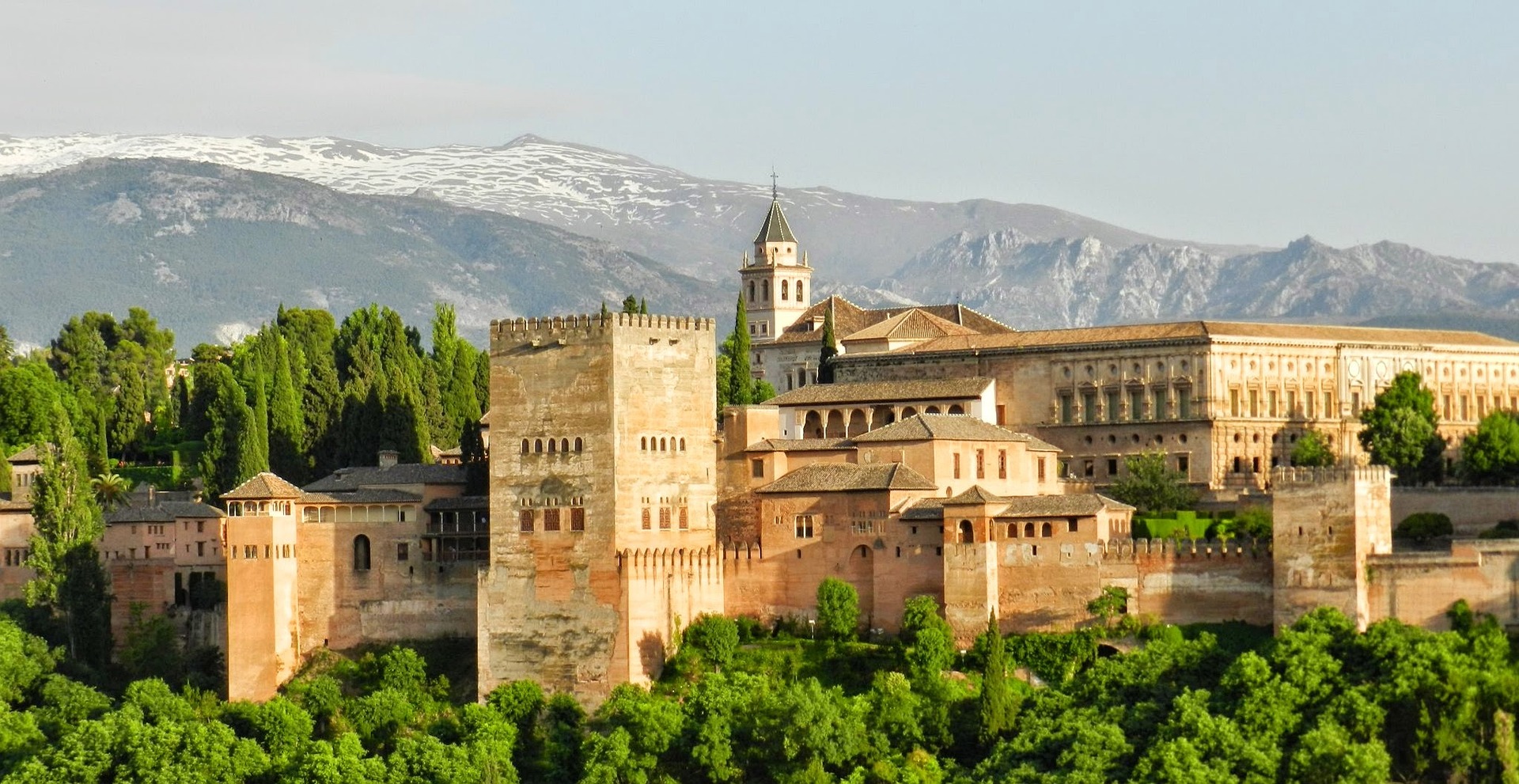
Andalusia (Andalucía in Spanish) is the southernmost region of mainland Spain, with Portugal to the west, the Mediterranean to the south and the Atlantic on its south-west coast. It is part of Spain: one of the country's autonomous communities, with Seville as its capital. It is known for its Moorish palaces and mosques, for flamenco, and for a climate warm enough to make it winter sun: Seville averages about 16°C in January.
Where is Andalusia?
Andalusia covers the bottom of the Iberian Peninsula. It borders Portugal and the Atlantic to the west, Extremadura and Castilla-La Mancha to the north, and Murcia to the east, with the Mediterranean along its southern coast. Gibraltar sits at its southern tip.
It is made up of eight provinces, each named after its main city:
- Almería
- Cádiz
- Córdoba
- Granada
- Huelva
- Jaén
- Málaga
- Seville
The Costa del Sol is Málaga's stretch of Mediterranean coast; the Costa de la Luz is the Atlantic side, in Cádiz and Huelva. From London, flights to Seville or Málaga take about three hours.
Is Andalusia part of Spain?
Yes. Andalusia is one of Spain's autonomous communities, a region with its own government and parliament inside the Spanish state, much as Scotland has within the UK. Its Statute of Autonomy dates from 1981 and describes it as a historical nationality. It has more people than any other Spanish region, about 8.7 million, and is the second largest by area, at about 87,600 square kilometres. The currency is the euro and the language is Spanish.
What is Andalusia known for?
Moorish Spain
From 711 most of the region was part of al-Andalus, the Muslim-ruled territory that gave Andalusia its name. Córdoba was the capital of the caliphate, and the last Muslim kingdom, Granada, fell in 1492. The buildings from those centuries are the main reason most people visit.
Eight UNESCO World Heritage listings
| Listing | Where |
|---|---|
| Alhambra, Generalife and Albayzín | Granada |
| Cathedral, Alcázar and Archivo de Indias | Seville |
| Historic centre, including the Mezquita | Córdoba |
| Caliphate City of Medina Azahara | Near Córdoba |
| Renaissance towns of Úbeda and Baeza | Jaén province |
| Antequera Dolmens | Málaga province |
| Doñana National Park | Huelva and Seville provinces |
| Rock art of the Mediterranean Basin (part of a wider Spanish listing) | Almería, Granada and Jaén |
Flamenco
Flamenco is song, dance and guitar together, and Andalusia is its heartland. UNESCO added it to its list of the intangible cultural heritage of humanity in November 2010.
Heat, and a long spring
Seville's average high in August is about 36°C. In winter the same city averages about 16°C in January and about 22°C in March. That is why spring and autumn are the usual time to go for sightseeing, and why the region sells so well as winter sun.
Is Andalusia a good place to visit?
For a city break, yes, if you pick the season. March to May and October are warm enough to sit outside at lunch and cool enough to walk round a palace in the afternoon. July and August suit the beaches better than the cities. If you want the opposite, a green and cool Spain for a summer week, our piece on northern Spain holidays compares the two halves of the country.
Seville, the capital
Seville sits on the Guadalquivir river, and three of its sights share a single UNESCO listing: the cathedral with its Giralda bell tower, the Real Alcázar palace, and the Archivo de Indias, which holds the records of Spain's empire in the Americas. Across the river is Triana, the district often called the birthplace of flamenco. Plaza de España, built for the 1929 Ibero-American Exposition, is the usual place to begin a walk.
The old centre is flat and easy to walk, and three full days covers the main sights without rushing.
Our hosted city break in Seville
Surprising Seville is 4 nights, 4 Mar 2027 – 8 Mar 2027, from £549, hosted by Jackie Whyte. You stay at the Hotel América, a 3-star (local rating) in the centre, a short walk from the cathedral and the Barrio de Santa Cruz and on the edge of the main shopping streets. Continental breakfast is included each morning, along with a 48-hour ticket for the hop-on, hop-off city bus, and transfers if you book the flights with us.
The host meets the group, books a table for the first evening and stays with you for the whole break. Between the host's arrangements, the bus ticket lets you see the city at your own pace. Availability today: 24 places left.
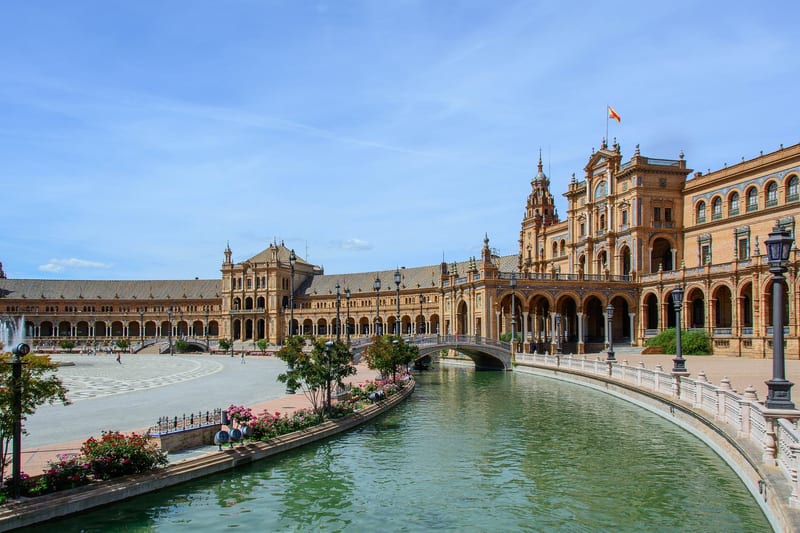 4 Mar 2027 – 8 Mar 2027 · 4 nightsSurprising SevillePlaces availablefrom £5496 already goingSee this holiday →
Most people book on their own and some come with a friend. Sharing a twin room costs nothing extra; a room to yourself carries a supplement, listed with every other on our single rooms and supplements page. Seville is one of our solo city breaks, and there is more in the south on our holidays in Spain page.
If you have questions about the Seville break, send them to the office and we will answer with the details for that departure.
What guests say
Holidays in this story
4 Mar 2027 – 8 Mar 2027 · 4 nightsSurprising SevillePlaces availablefrom £5496 already goingSee this holiday →